
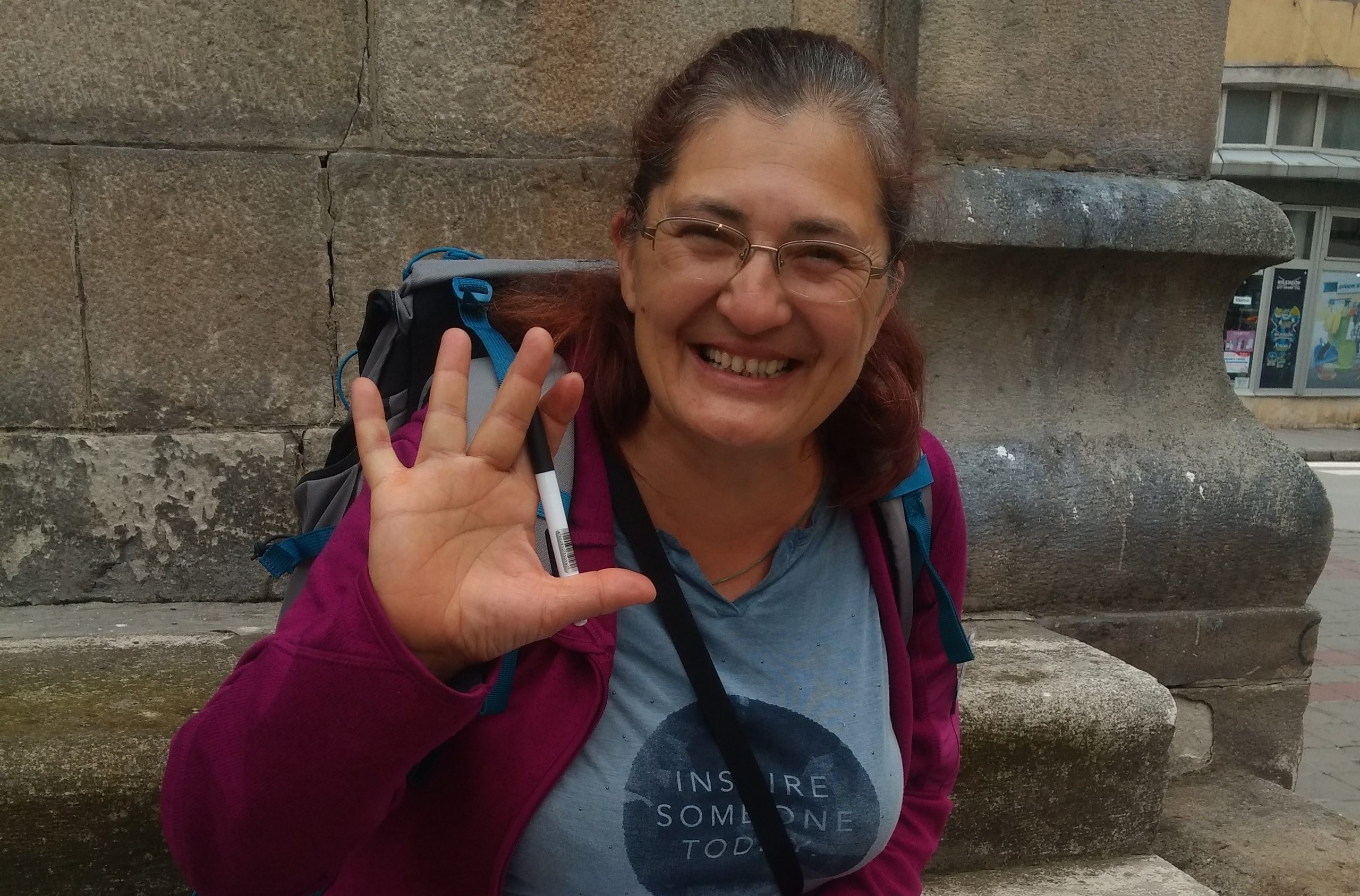
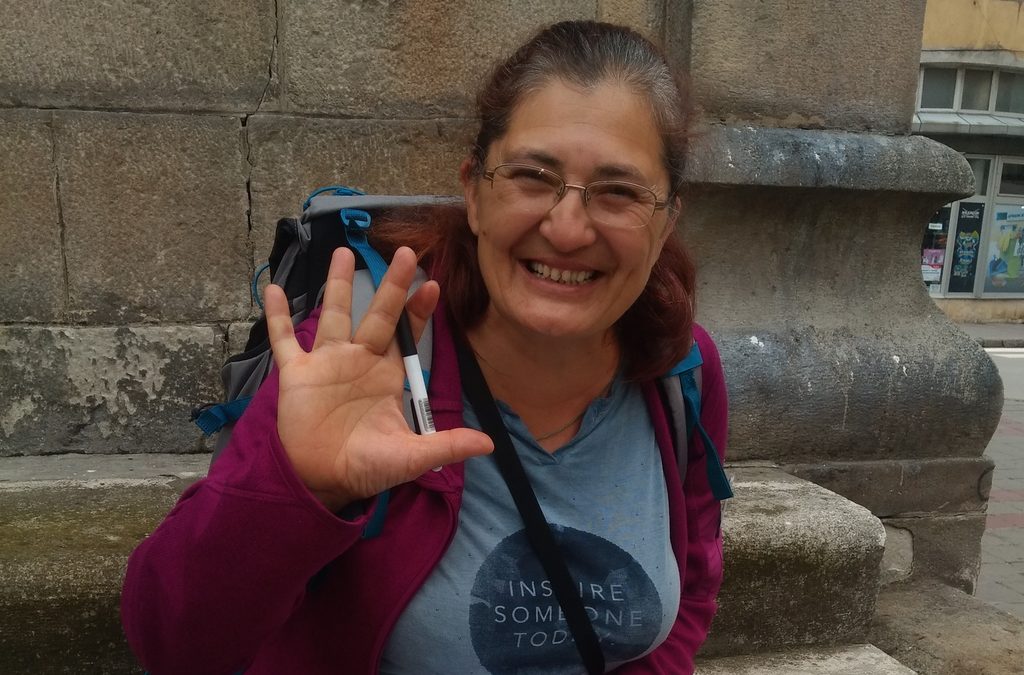
Silva Marinova was born on 11 July 1967. In 1990, she graduated with a degree in Painting from the Jules Pascin Academy in Sofia, and in 1996 she earned a degree in Book Art from the Slavic University. She later completed the School of Photography at NATFA in 2001. She is currently a freelance artist. She works on her own projects in the fields of painting, applied arts, graphic techniques, comics, illustration, and children’s literature, as well as teaching and writing in the fields of prose and drama. She is a regular participant in art retreats and literary discussion groups.
In 2021, she received a grant from the Culture Fund to develop a board game. In recent years, she has worked as a set builder in the film industry and in the field of building restoration.
In this interview, she shares insights into her creative process, her fascination with marginal stories, and her unique perspective on myth, identity, and Europe.
What anecdote, feeling, or thought springs to mind when you think about the figure of Medusa?
A woman – or rather, a girl. Cheerful, smiling, and self-sufficient. Blondish and freckled. She loves to wander among the rocks, where the fields come to an end, right on the edge. It’s autumn, and her favourite pastime is counting the ripe fruit on the small pear trees, which overgrow the valley like the quills of a not-so-hygienic hedgehog. She gathers them in a small basket, inherited from her grandmother, who used to do exactly the same thing long ago. After lunch, she meets up with her friends, and they laugh for a long time, sitting in the last warm sunshine of the season, but later she has to go home to feed the snakes whatever’s left of the pears.
How do you usually work? How did the idea for this particular play come about?
My daily work demands a great deal of ingenuity, raw physical strain, relentless bickering, a meticulous eye for detail, routine miscommunications, and endless fuss. Against this backdrop, stepping into the role of a treating psychiatrist for my characters feels like a retreat somewhere in the Alps.
I’m drawn to marginal stories. I’ve always been curious about exactly what goes on in the minds of characters for whom the unconventional is the norm. One of my first short stories explored the topic of euthanasia, but since the entire drama took place in a fantasy setting, I don’t think anyone ever fully understood it. In my latest story, among other things, there are quite a few nymphs, as well as women who don’t read, and I’m absolutely convinced I saw one yesterday at the café. Long story short. I’m never bored.
How does your play relate to the reality in which you live and work, in terms of its social context, current political issues, and the broader theme of identity?
Specifically and unambiguously.
What does Europe mean to you?
The first thing that comes to mind when I think of Europe is home. And that feeling existed long before Europe became the borderless space we know today. I’ve always imagined myself landing, getting off the plane, taking a deep breath, and – yes – knowing exactly where I am. In these fantasies of mine, it usually smells like the mountains, like home-grown tomatoes, crooked stone alleys, laundry drying in the sun, coffee, and croissants. And like grass – a rich, lively green, concealing unknown herbs and a variety of tiny insects. The most fitting colour for a continent.