
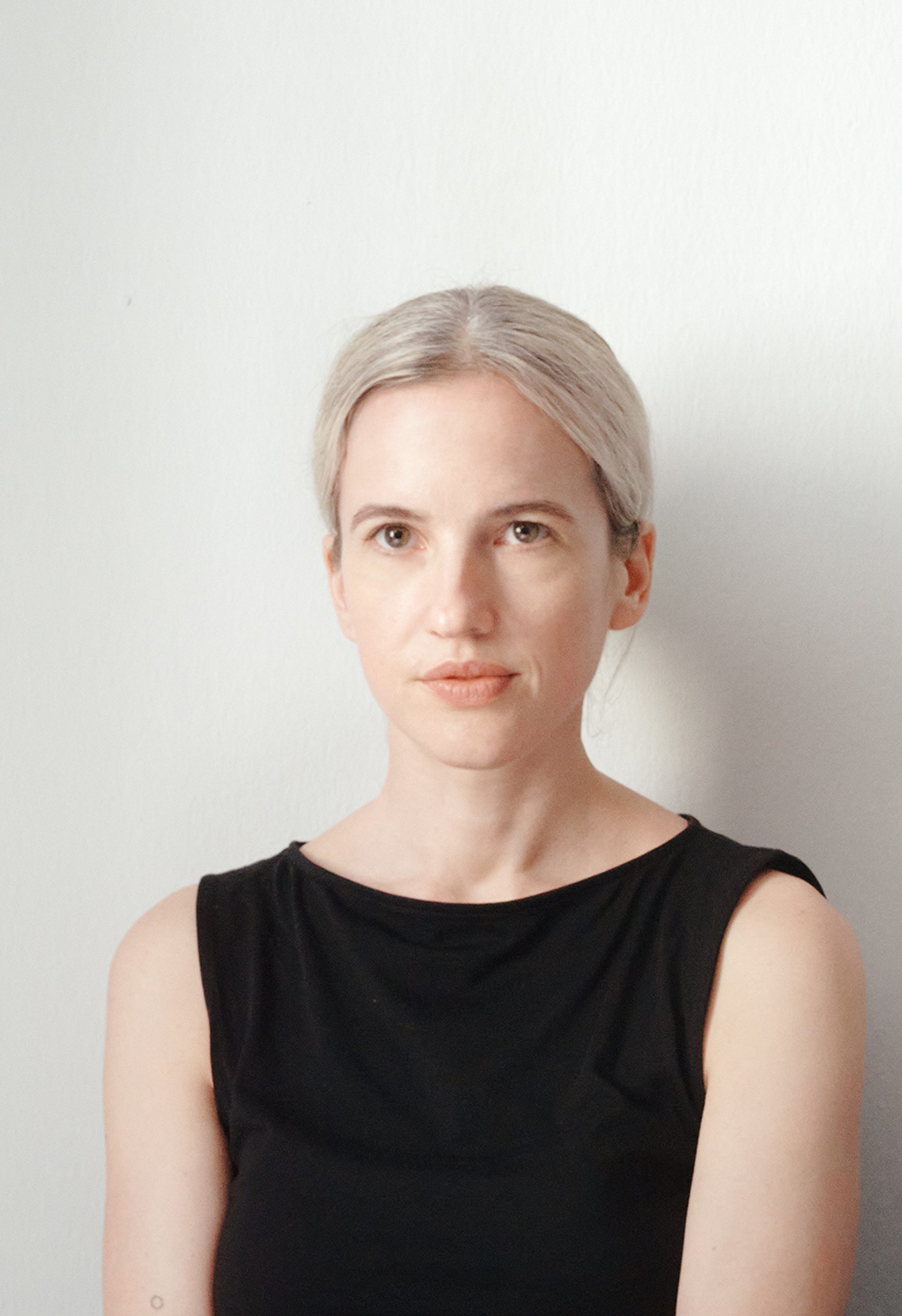
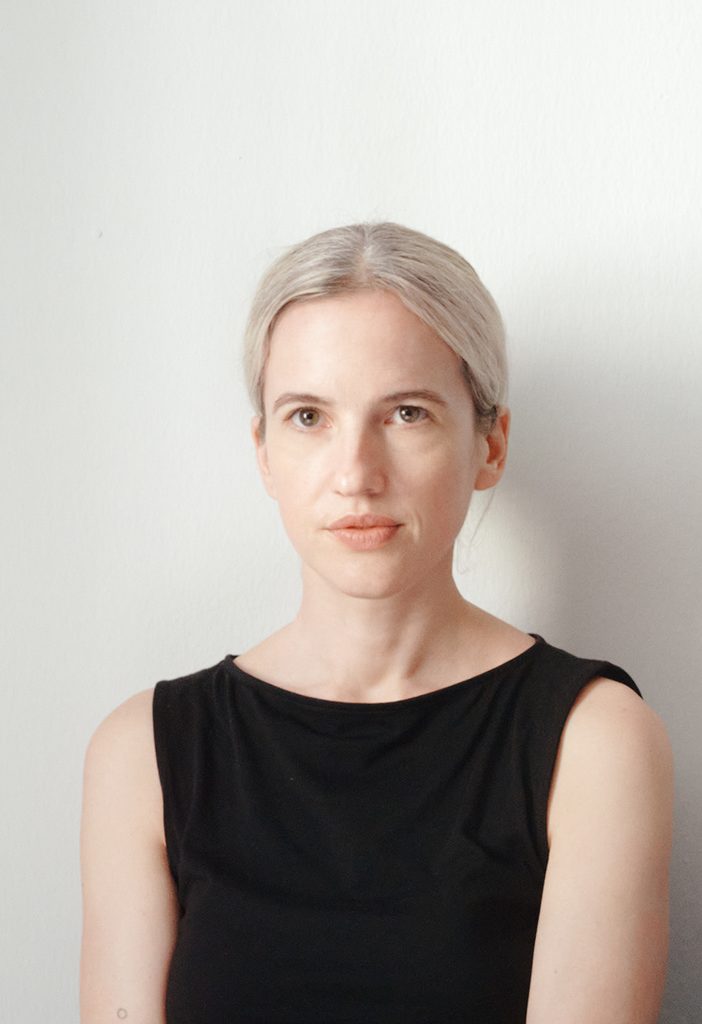
Natalie Baudy is a German dramaturg and playwright whose work explores pop culture, digital phenomena and feminist perspectives. Award-winning author of Rauschen. Oder: Wenn du nicht existierst, geh mir bitte aus dem Licht. Danke. and fairycoin, she has collaborated with leading German-speaking theatres and joined the artistic leadership team of Schauspiel Erlangen in the 2024/25 season.
In this interview, she takes us behind the writing of under the influence, reflecting on addiction and the tensions between personal freedom and social pressure. At the heart of the play is also the encounter between three women from different generations, whose growing solidarity becomes a source of strength. Baudy also shares her personal views on Europe today, a mixture of disillusionment and the continued need for dialogue, community and exchange.
What anecdote, feeling or thought springs to mind when you think of the figure of Medusa?
So, what I associate with the figure of Medusa is, like probably many people, the concept of revenge. Things start off pretty horribly for her. She is raped and then punished for it herself. But then she just punishes everyone who even looks at her, regardless of the intention. And I imagine that would actually get pretty lonely in the long run. But in its logical conclusion, I think it’s a truly excellent revenge story.
How do you usually work? How did the idea for this piece come about?
The idea for ‘under the influence’ came about as a result of the Austrian Theatre Alliance’s Authors’ Prize, for which I had been nominated by the Kosmos Theatre. The task was to submit a draft play on the theme: “Dancing on the Volcano”. I’d been thinking for some time that I’d like to write something about women and alcohol, about intoxication and addiction. So I started doing some research and developing the characters.
How does your play relate to the reality in which you live and work, in terms of its social context, current political issues, and the broader theme of identity?
On the one hand, this play really means a lot to me because I find the issue of the abuse of drugs and alcohol, and the potentially subversive power of states of ecstasy, very interesting. When does alcohol and drug use stem from curiosity, hedonism or personal growth, and when does it arise from pressure, social constraints or looking for an outlet?
But another theme in the play is almost more important to me: the solidarity, or perhaps the coming together, of the three women. They come from three different generations and certainly don’t agree on everything. But ultimately, they find the strength to change something, or at least to try, in their sense of community and their shared experiences.
What does Europe mean to you?
For me, Europe was once the idea of a shared identity, a potential community of values and, therefore, a great opportunity. In view of the rise of nationalism in many European countries and Europe’s increasingly restrictive border policies, this community is in danger of turning into a purely economic alliance. So, for me, the idea of Europe is more a nostalgic one at the moment. It’s all the more wonderful, then, when projects like Medusa make ideas of solidarity and dialogue a little more tangible and allow them to be actually experienced.
Natalie Baudy under the influence oder: die rückkehr der bakchen [under the influence or: the return of the bacchae], will be presented as a staged reading at the MEDUSA Festival in Berlin in November 2026.
Check out the full festival programme and find out more about the event HERE.