Friendship, Playwriting and Transnational Collaboration
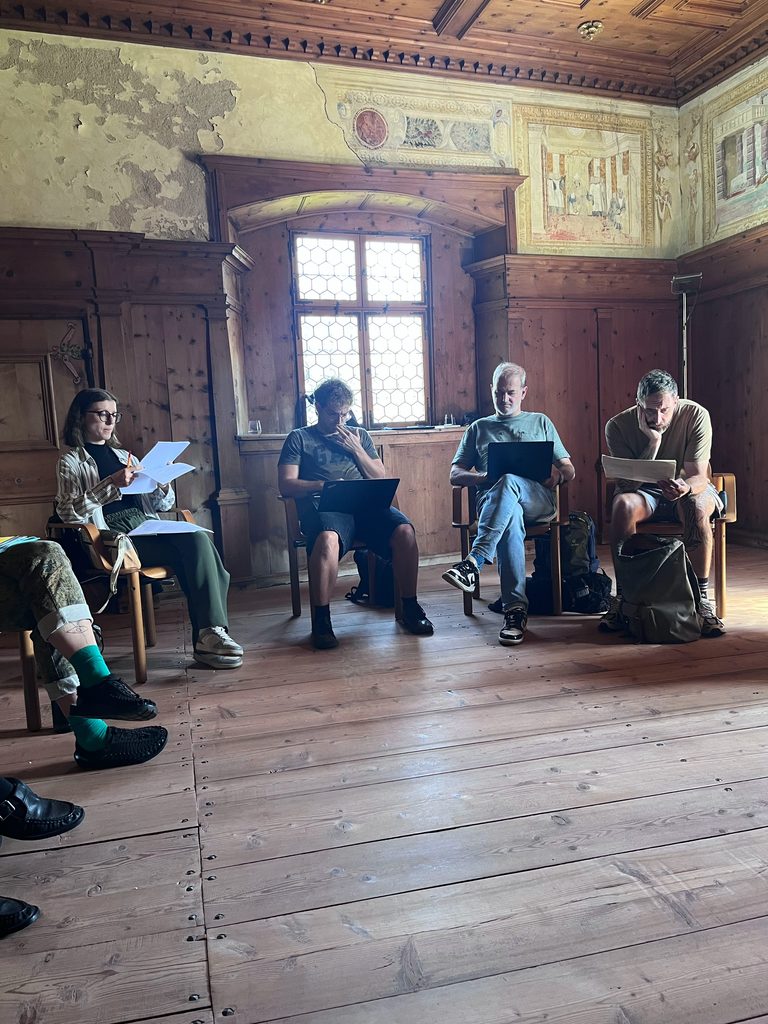
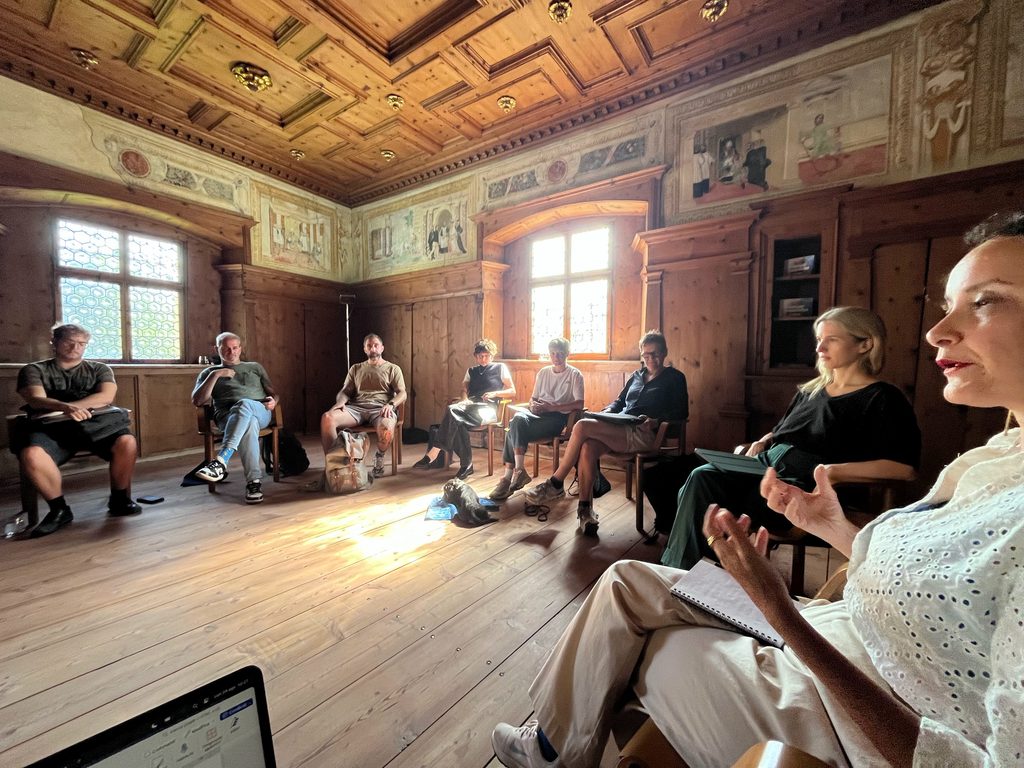
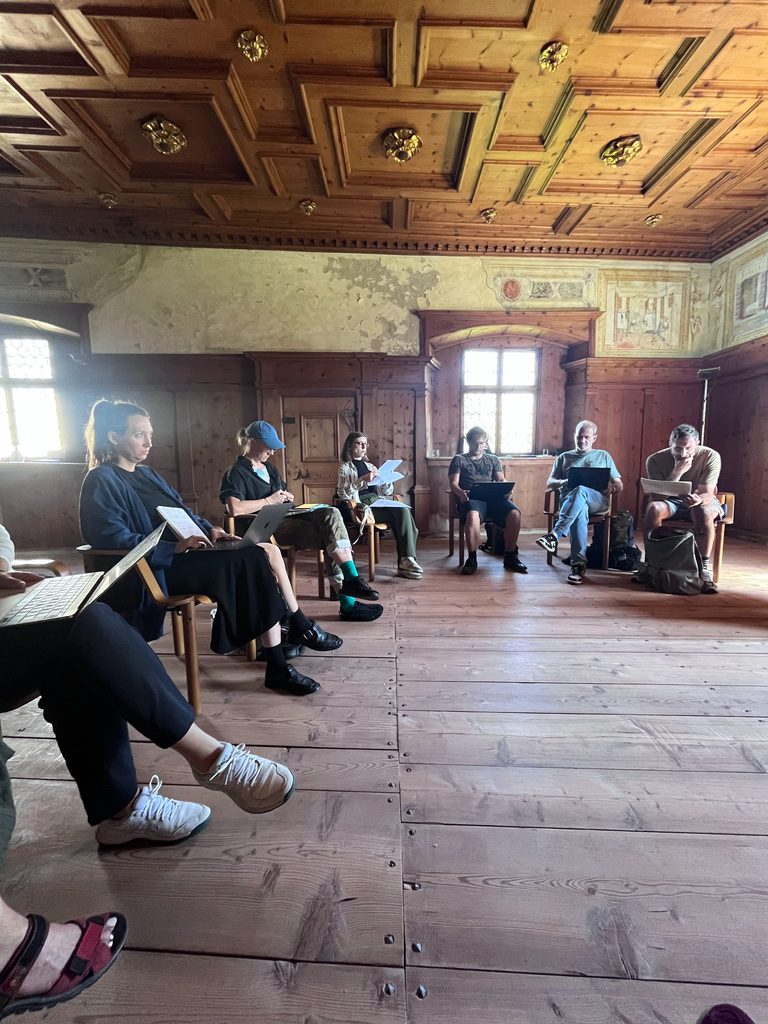
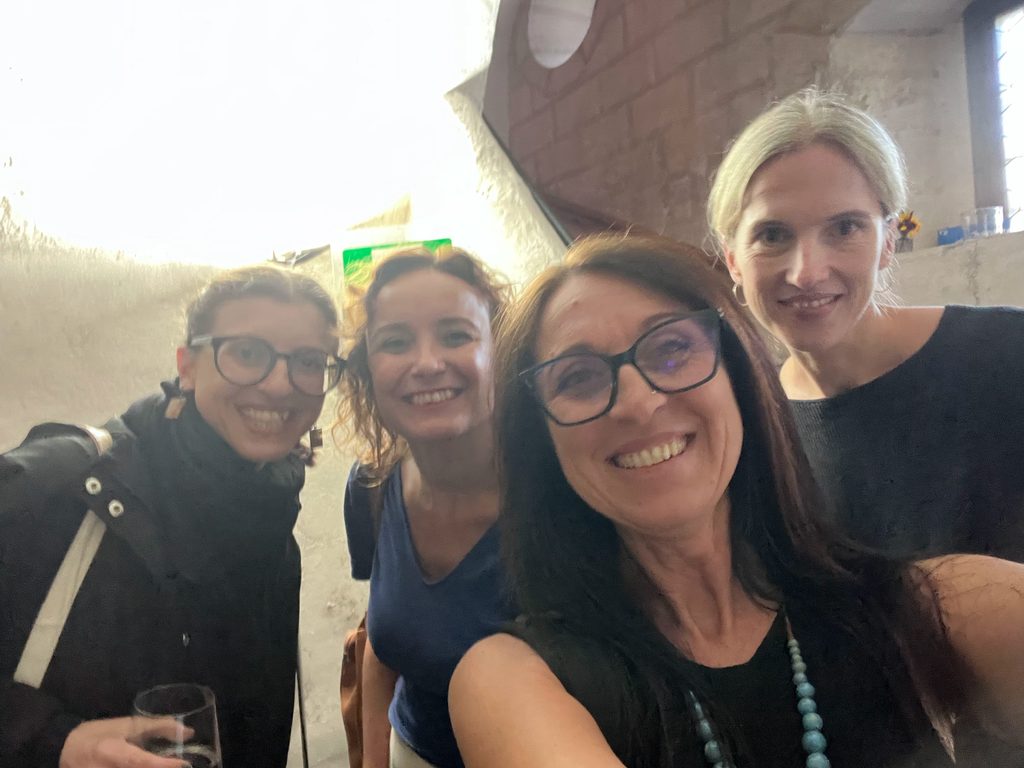
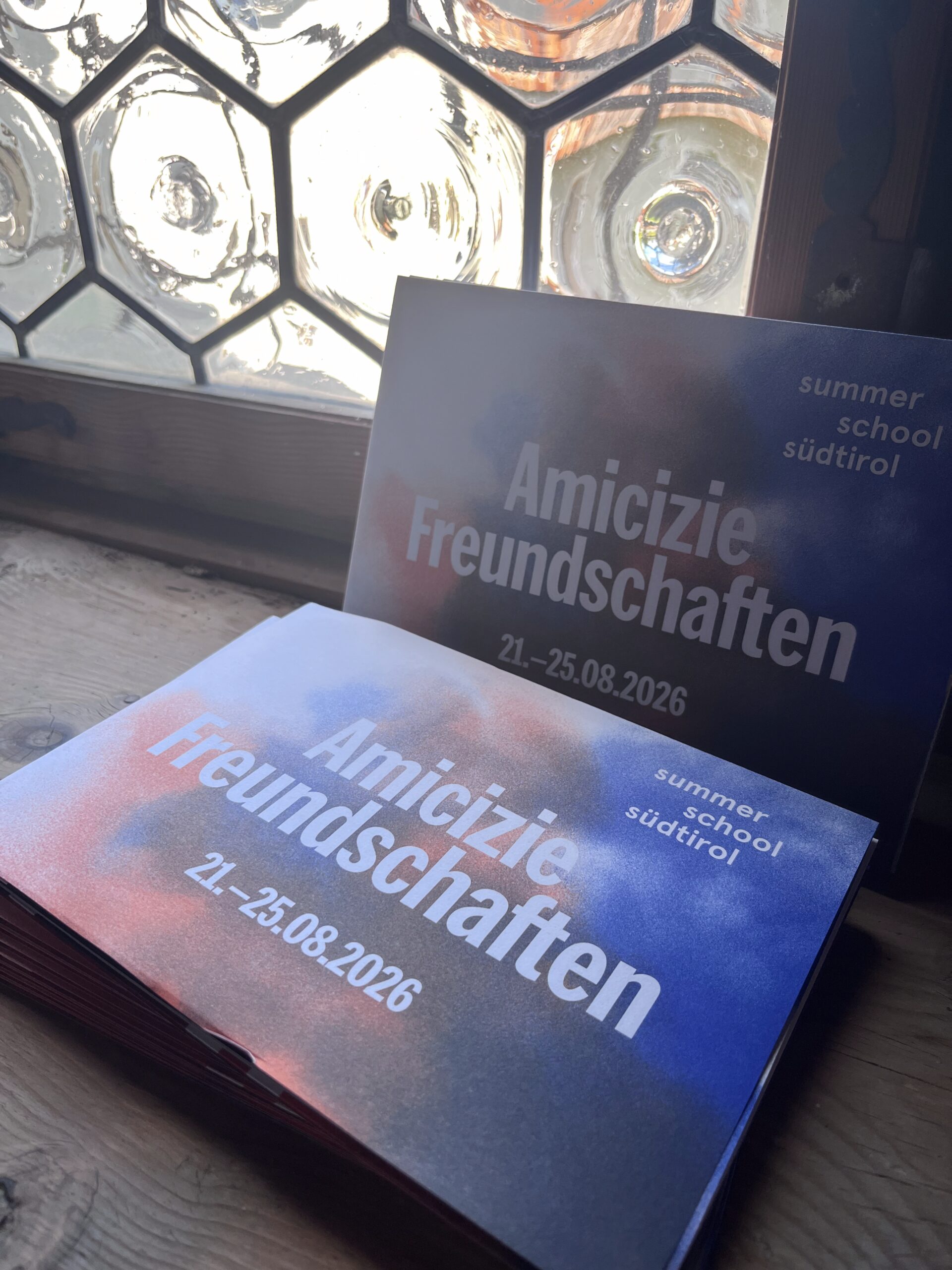
From the 21st to 25th August 2026, MEDUSA took part in the Südtirol Summer School, held at Schloss Velthurns / Castel Velturno in Feldthurns, South Tyrol. This year’s summer school explored the theme of friendships through lectures, readings, conversations, concerts, performances and workshops involving artists, writers, scholars and cultural professionals from across Europe and beyond.
For MEDUSA, participating in the summer school was a special opportunity. The project itself emerged from a network of relationships built on mutual trust, shared interests and ongoing dialogue between people and organisations working in different European theatre contexts. Before becoming a Creative Europe cooperation project, MEDUSA began as a shared vision: to create opportunities for contemporary playwriting to travel across borders, languages and cultural environments, especially when addressing complex, marginalised or underrepresented identities.
The theme of friendship therefore resonated strongly with the project’s values. Within MEDUSA, friendship is understood not only as a personal bond, but also as a cultural and political practice. It involves listening, translating, collaborating and sustaining dialogue across differences. It creates the conditions for diverse voices, languages and perspectives to meet while preserving their distinctiveness.
Presenting MEDUSA
During the summer school, MEDUSA was presented as a European cooperation project dedicated to contemporary playwriting, translation and inclusive identities. Co-funded by the European Union’s Creative Europe Programme, it brings together partners from Italy, Germany and Bulgaria to support the circulation of new dramatic writing through observatories, translation processes, staged readings and mini-festivals.
The presentation outlined the project’s main phases: the establishment of national observatories in the three partner countries; the reading, discussion and selection of contemporary plays; the translation of the chosen texts; and their presentation at public artistic and cultural events. Particular attention was given to translation as both a linguistic and creative practice. In theatre, translating a play means carrying a voice into another language while retaining its rhythm, tensions, silences and performative force.
The discussion also addressed the symbolic figure behind the project’s name: Medusa. Traditionally portrayed as a monster whose gaze turns people to stone, Medusa can also be interpreted as a figure shaped by violence, transformation and marginalisation, rendered monstrous through the perspectives of others. In the context of the project, she represents voices and identities that have been misunderstood, silenced or reduced to stereotypes. MEDUSA invites audiences, artists and cultural professionals to look again, question dominant narratives and make room for complex, vulnerable and non-conforming subjectivities.
Playwrights in Dialogue
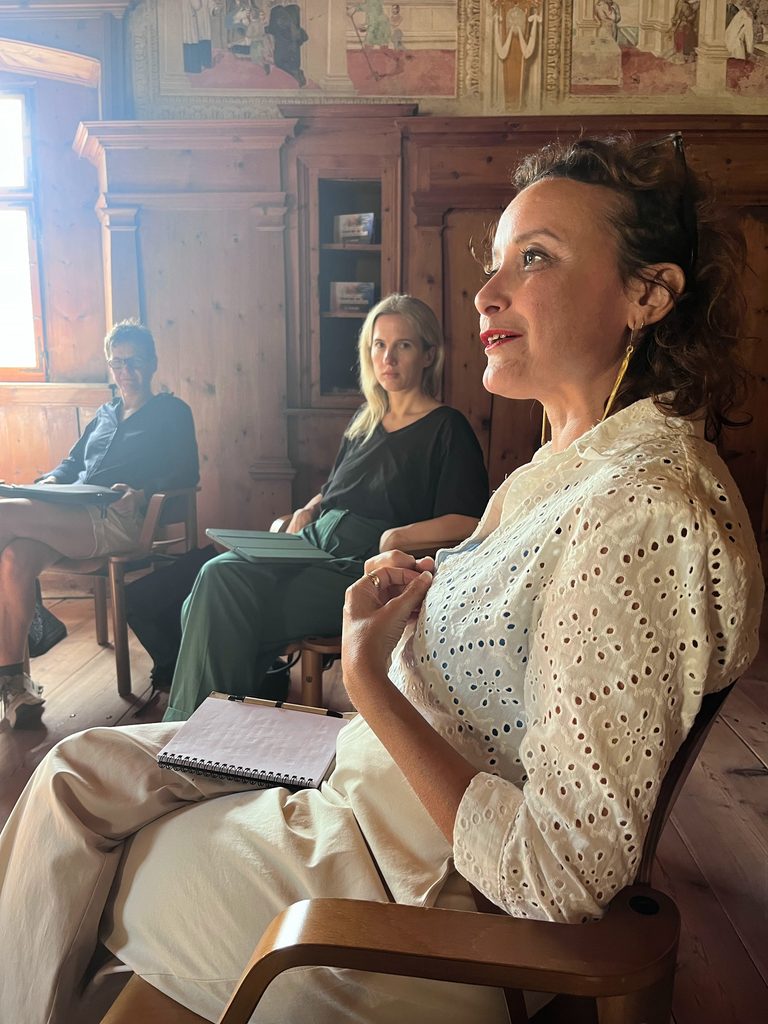
Two of the playwrights selected for MEDUSA were also present at the summer school: Natalie Baudy from Germany and Teodora Georgieva from Bulgaria. Both took part in the morning dramaturgy workshops alongside other playwrights attending the Summer School. These sessions provided valuable opportunities for exchange, critical reflection and artistic dialogue in an international and multilingual setting.
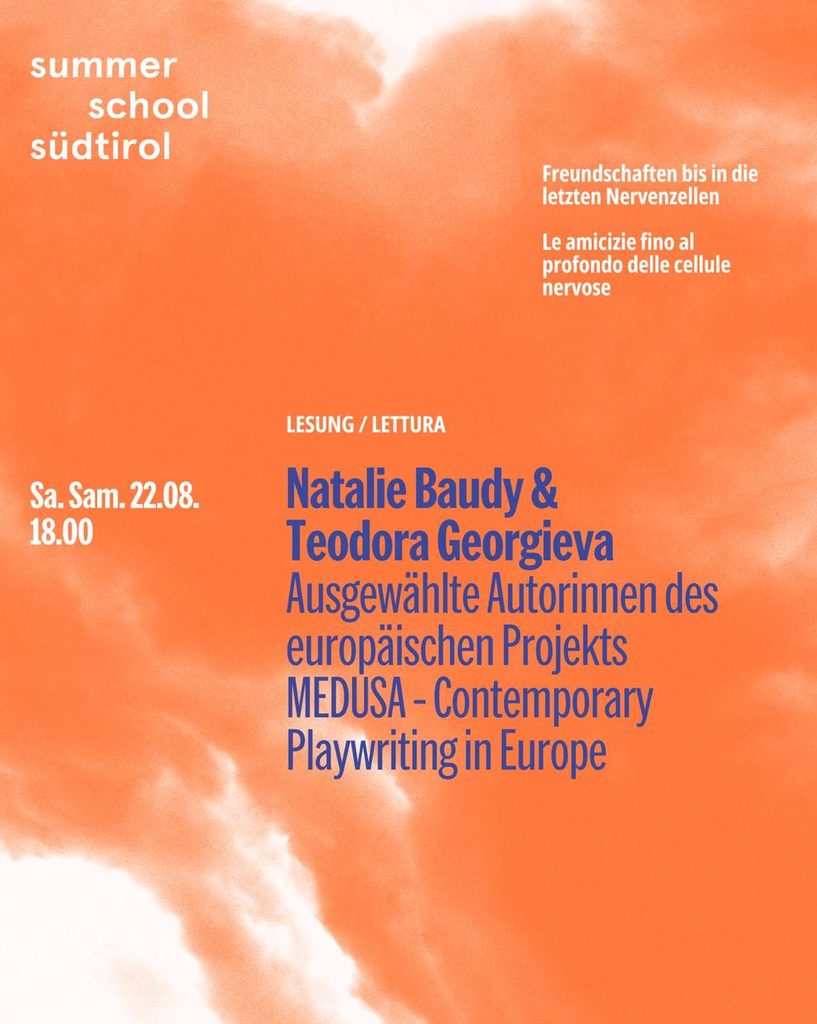

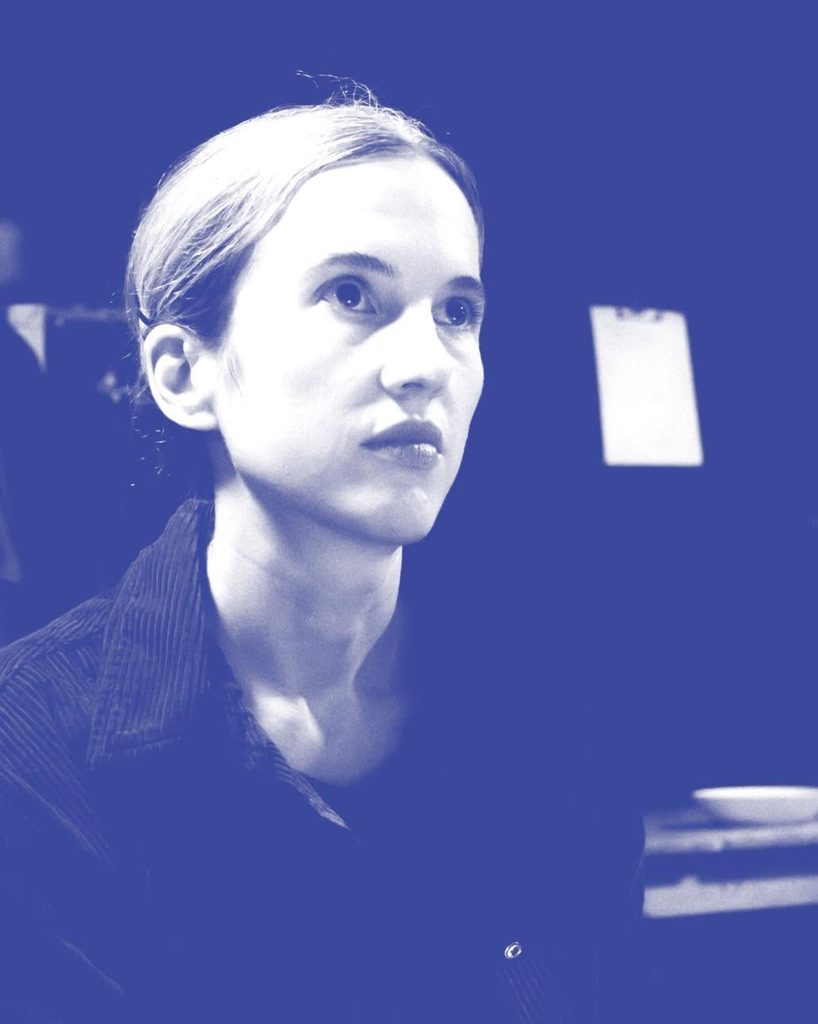
Baudy and Georgieva also presented excerpts from their plays during the evening programme. Their readings were part of the public events dedicated to the theme of friendship, creating a direct encounter between MEDUSA’s selected authors, local audiences and the wider artistic community gathered in Feldthurns.
Their presence highlighted one of MEDUSA’s central objectives: supporting playwrights not only through selection and translation, but also by fostering professional exchange, public visibility and international circulation. In this respect, the summer school offered more than a platform for presenting the project. It embodied exactly the kind of artistic environment MEDUSA seeks to encourage: open, collaborative, multilingual and engaged with contemporary dramatic writing.
The six playwrights selected following the observatory phase are Alessandro Paschitto and Tatjana Motta from Italy, Natalie Baudy and Lena Riemer from Germany, and Teodora Georgieva and Silva Marinova from Bulgaria. Their works encompass a wide range of aesthetics, languages and theatrical approaches, while engaging with themes that run throughout the project, including identity, gender, vulnerability, transformation, memory, social perception, conflict and care.
Together, these authors represent the diverse landscape of contemporary European playwriting. Rather than promoting a single vision, MEDUSA seeks to create conditions in which differences can coexist, circulate and generate dialogue. Through translation and public presentation, the project aims to connect these voices with new audiences while strengthening relationships between playwrights, translators, theatre professionals and cultural organisations.
Friendship as a Method of Cooperation
Participation in Südtirol Summer School reaffirmed the value of this approach. Within a programme that reflected on the meaning of friendship in a time of uncertainty and profound change, MEDUSA offered its own perspective: friendship can function as a method of cooperation, a practice of translation and a way of amplifying voices that deserve to be heard.
In this spirit, MEDUSA continues its journey as a project rooted in friendship and shaped through European collaboration, inviting us to rethink how we look, listen across languages and imagine theatre as a shared space of encounter.